Transferring colleges guide
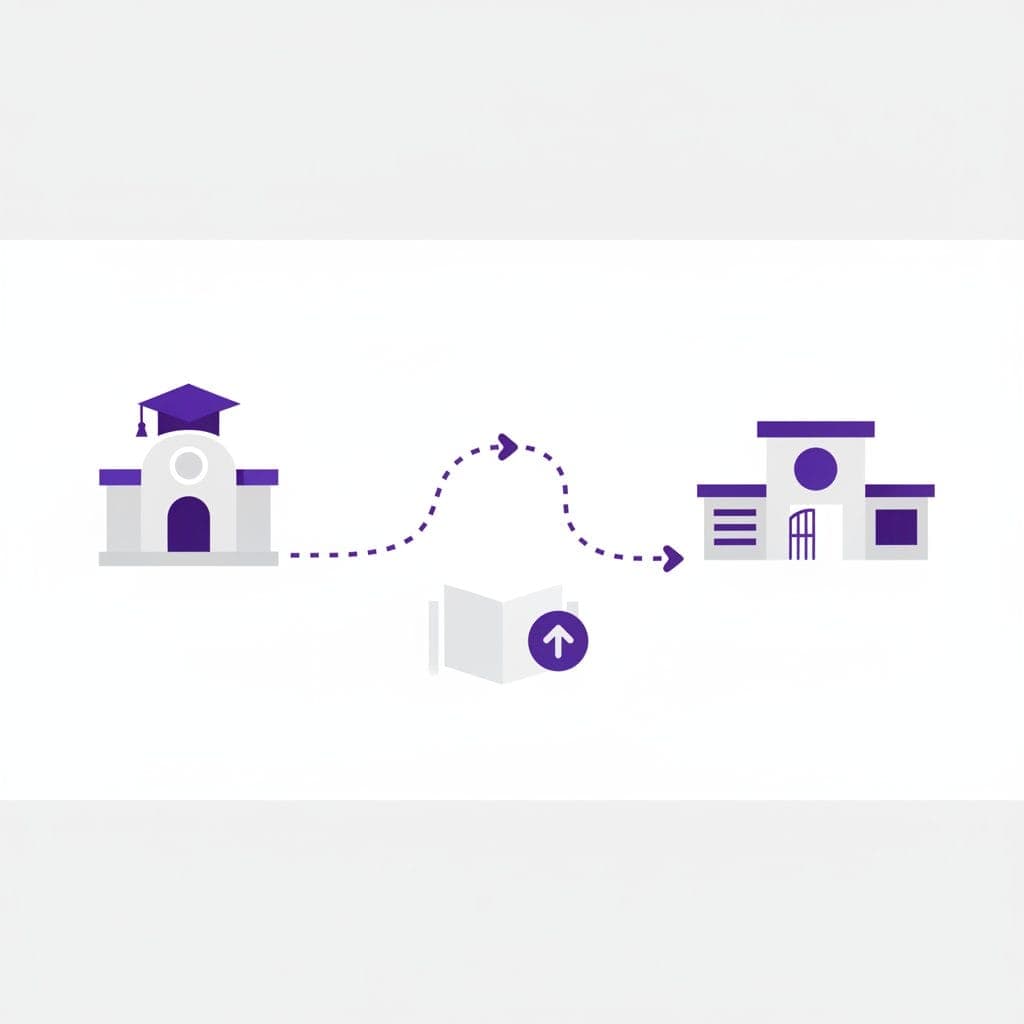
Transferring Colleges: A Comprehensive Guide to Making a Successful Transition
Every year, roughly one-third of all college students transfer at least once before earning a degree, according to data from the National Student Clearinghouse Research Center. Whether driven by financial considerations, academic goals, personal circumstances, or a desire for a better institutional fit, transferring colleges is a significant decision that carries both opportunities and risks. This guide covers the key financial, academic, and logistical factors that transfer students typically need to consider.
Common Reasons Students Transfer
Understanding why students transfer can help clarify whether the decision aligns with long-term educational and financial goals. The most frequently cited reasons include:
- Financial considerations: Moving from a four-year institution to a community college to reduce costs, or transferring to a school offering a better financial aid package.
- Academic program fit: Seeking a specific major, program accreditation, or research opportunity not available at the current institution.
- Personal or family reasons: Needing to relocate closer to home, adjusting to family responsibilities, or addressing health concerns.
- Social and campus environment: Finding a campus culture, size, or location that is a better personal fit.
- Academic performance goals: Transferring from a community college to a four-year institution after completing general education requirements, which is a common and well-established pathway.
According to the National Center for Education Statistics (NCES), approximately 38% of transfer students move from two-year to four-year institutions, while a significant number also transfer laterally between four-year schools or from four-year to two-year institutions.
The Financial Impact of Transferring
Transferring colleges can have substantial financial implications, both positive and negative. Careful planning may help minimize unexpected costs.
Potential Financial Benefits
- Lower tuition costs: Students who complete general education coursework at a community college before transferring to a four-year institution may save significantly. Average annual tuition and fees at public two-year institutions were approximately $3,860 for the 2023-2024 academic year, compared to $11,260 at public four-year institutions for in-state students, according to the College Board’s Trends in College Pricing report.
- Improved financial aid: Some institutions offer transfer-specific scholarships, and a new school may provide a more competitive aid package based on academic performance.
- Reduced overall time to degree: If credits transfer efficiently and the student has a clear academic plan, transferring can sometimes shorten the path to graduation.
Potential Financial Risks
- Lost credits: This is generally the most significant financial risk. The Government Accountability Office (GAO) found in a 2017 report that transfer students lost an estimated 43% of their credits on average. Lost credits translate directly into additional semesters of tuition, housing, and delayed entry into the workforce.
- Financial aid complications: Federal financial aid has lifetime limits. Pell Grant eligibility, for example, is capped at 12 semesters of full-time equivalent enrollment. Retaking courses due to credit loss can consume this limited aid faster.
- Scholarship forfeiture: Institutional scholarships from the original school are typically non-transferable. Merit scholarships at a new institution may have different GPA thresholds or may not be available for transfer students at all.
- Additional fees: Application fees, transcript fees, housing deposits, and potential out-of-state tuition can add up during the transition period.
Strategies to Manage Transfer Costs
- Research transfer-specific scholarships at prospective institutions, as well as external scholarships designated for transfer students, such as the Jack Kent Cooke Foundation Undergraduate Transfer Scholarship.
- Complete the FAFSA early for each academic year to maximize federal and state aid eligibility.
- Negotiate financial aid packages when possible, particularly if competing offers from other institutions are available.
- Consider whether in-state tuition rates apply, as some states have residency requirements that may delay eligibility for lower rates.
Understanding Credit Transfer Policies
Credit transfer is often the most complex and consequential aspect of the process. Policies vary widely between institutions, and there is no universal standard for credit acceptance.
Key Factors That Affect Credit Transfer
- Accreditation: Credits from regionally accredited institutions are generally more widely accepted than those from nationally accredited or unaccredited schools. The six regional accrediting bodies in the United States have historically been considered the standard, though the distinction between regional and national accreditation has been evolving.
- Course equivalency: The receiving institution typically evaluates whether each completed course matches a course in its own catalog. Courses without a direct equivalent may be accepted as elective credit rather than fulfilling a specific requirement.
- Grade requirements: Many institutions require a minimum grade of C or C-minus for a transferred course to count. Some competitive programs may require a B or higher.
- Credit hour limits: Most four-year institutions cap the number of transfer credits they will accept, commonly between 60 and 90 semester hours. This is especially relevant for students transferring from community colleges, which typically offer up to 60 credits.
- Articulation agreements: Many states have formal agreements between their public two-year and four-year institutions that guarantee the transfer of specific courses or associate degrees. These agreements can significantly streamline the process.
How to Maximize Credit Transfer
- Research the target institution’s transfer credit policies thoroughly before applying.
- Use tools such as Transferology (transferology.com), a nationwide course equivalency database, to check how courses may transfer.
- Request a preliminary credit evaluation from the admissions or registrar’s office at the prospective school before committing.
- Keep detailed syllabi and course descriptions, as these documents may be required if the receiving institution needs to manually evaluate a course.
- Look into articulation agreements or guaranteed transfer pathways in your state, as these often provide the most predictable outcomes.
The Transfer Application Process
Applying as a transfer student is similar to the freshman application process but involves some distinct requirements and timelines.
Typical Application Components
- Transfer application form: Many schools use the Common Application’s transfer platform, while others have their own systems. The University of California system, for example, uses a separate application portal.
- College transcripts: Official transcripts from all previously attended institutions are generally required.
- High school transcripts and standardized test scores: Some institutions require these if the applicant has completed fewer than a certain number of college credits (often 30 or fewer semester hours). Requirements vary.
- Letters of recommendation: Typically one to three, often from college-level instructors or academic advisors.
- Personal statement or essay: Many institutions ask for an essay explaining the reasons for transferring and the applicant’s academic goals.
- College GPA: Transfer admission is heavily weighted toward college academic performance. Competitive four-year institutions may expect a GPA of 3.0 or higher, while highly selective schools often look for 3.5 or above.
Important Timeline Considerations
- Application deadlines: Transfer deadlines may differ from freshman deadlines. Many schools have fall transfer deadlines between February and April, though some accept applications on a rolling basis. Spring transfer deadlines, where available, are typically in October or November.
- Notification dates: Transfer decisions generally arrive later than freshman decisions, sometimes in May or June for fall enrollment.
- Housing priority: Transfer students may have lower priority for on-campus housing. Researching housing options early is generally advisable, particularly at schools with limited availability.
Academic and Social Considerations
Beyond finances and logistics, the transfer experience involves significant academic and social adjustments that are worth planning for.
Academic Adjustment
- Curriculum differences: Even within the same major, course sequences, prerequisites, and degree requirements can differ substantially between institutions. Meeting with an academic advisor at the new school as early as possible may help avoid surprises.
- Academic rigor: Students transferring from community colleges to competitive four-year universities sometimes experience a notable increase in academic demands. Building strong study habits before transferring can ease this transition.
- Graduation timeline: According to the NCES, transfer students take longer on average to earn a bachelor’s degree than non-transfer students. Creating a detailed academic plan and auditing degree requirements carefully may help keep timelines on track.
Social Adjustment
- Established social groups: At many four-year institutions, social circles form during the freshman year. Transfer students may find it more challenging to integrate, particularly at residential campuses. Proactively joining clubs, organizations, or orientation programs designed for transfer students can help.
- Support services: Many colleges now have dedicated transfer student offices, peer mentoring programs, and orientation sessions. Researching available support services at prospective schools is generally worthwhile.
- Sense of belonging: Research published in the Journal of College Student Retention suggests that transfer students report lower levels of institutional attachment in their first year compared to continuing students. This gap typically narrows over time, but being aware of it can help students prepare mentally for the transition.
State Transfer Policies and Resources
Many states have implemented policies to facilitate smoother transfers between public institutions. Understanding state-level resources can be extremely valuable.
- Guaranteed admission agreements: States such as California (through the TAG program), Virginia, and Florida have formal agreements that guarantee admission to certain four-year public universities for community college students who meet specific criteria.
- Common course numbering: Some states, such as Florida and Arizona, use common course numbering systems across their public institutions, making it easier to identify equivalent courses.
- Statewide transfer guides: Many state higher education systems maintain online databases or guides that outline how courses transfer between their institutions.
- Associate degree pathways: In several states, completion of an Associate of Arts (AA) or Associate of Science (AS) degree at a public community college guarantees that general education requirements are considered fulfilled at public four-year institutions in the same state.
Risks and Downsides to Consider
While transferring can be a positive step, it is important to weigh the potential downsides honestly:
- Credit loss remains the most common and costly risk. Even with careful planning, some credit loss is common for many transfer students.
- Delayed graduation can increase total education costs and delay career earnings. The opportunity cost of additional semesters may be significant.
- Financial aid disruptions are possible during transitions, potentially creating gaps in coverage.
- Emotional and psychological stress from adjusting to a new environment, leaving established relationships, and navigating unfamiliar systems is a real factor that students sometimes underestimate.
- Not all transfers lead to better outcomes. A 2021 report from the National Student Clearinghouse Research Center found that only about 42% of students who transferred completed a bachelor’s degree within six years of their initial college enrollment. Planning and institutional support play a significant role in completion rates.
Checklist for Prospective Transfer Students
The following checklist may help organize the transfer process:
- Clarify the primary reasons for transferring and confirm that a new institution can address them.
- Research prospective schools’ transfer credit policies, acceptance rates for transfer students, and available support services.
- Request preliminary credit evaluations before committing to a new institution.
- Investigate articulation agreements and state-level transfer policies.
- Complete the FAFSA and research transfer-specific scholarships and financial aid at target schools.
- Maintain a strong GPA at the current institution, as this is typically the most important factor in transfer admissions.
- Gather all required application materials, including transcripts, syllabi, and letters of recommendation, well before deadlines.
- Meet with academic advisors at both the current and prospective institutions to create a clear degree completion plan.
- Research housing options and social integration resources at the new school.
- Create a realistic budget that accounts for all transition costs, including potential gaps in financial aid.
Disclaimer: This guide is intended for informational and educational purposes only. Individual circumstances vary significantly, and prospective transfer students are encouraged to consult directly with academic advisors, financial aid offices, and admissions counselors at their current and prospective institutions for guidance tailored to their specific situation. Policies, costs, and data referenced in this guide may change over time.
About this guide
Researched with public federal data, cited inline above. Reviewed by the DegreeMath editorial team. Updated when underlying data or methodology changes.