Income driven repayment plans
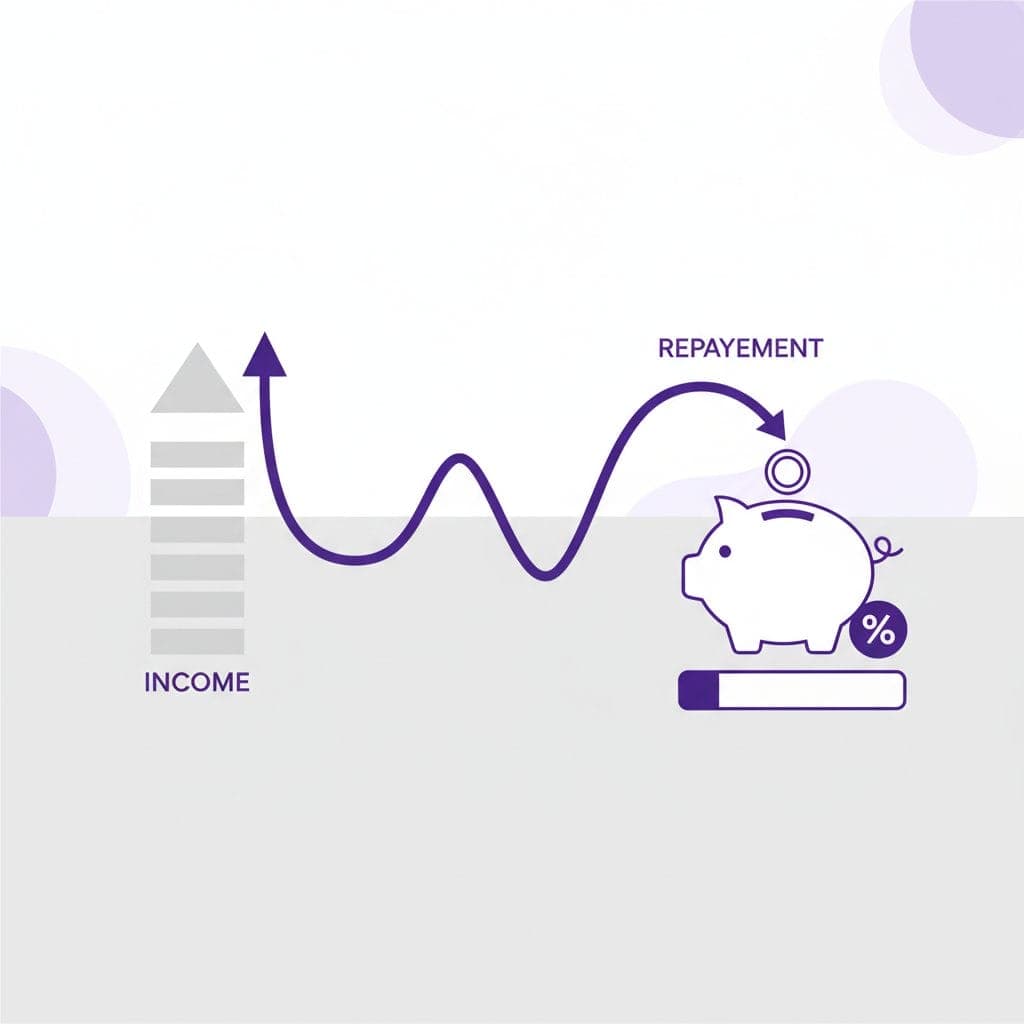
Income-Driven Repayment Plans: A Comprehensive Guide to Managing Federal Student Loans
For millions of Americans carrying federal student loan debt, monthly payments under standard repayment plans can represent a significant financial burden. Income-driven repayment (IDR) plans offer an alternative approach by tying monthly payments to a borrower’s income and family size rather than the total amount owed. Understanding how these plans work, their benefits, and their potential drawbacks is essential for making informed decisions about student loan management.
What Are Income-Driven Repayment Plans?
Income-driven repayment plans are federal student loan repayment options that calculate monthly payments based on a percentage of a borrower’s discretionary income. These plans are designed to make loan payments more manageable for borrowers whose debt is high relative to their earnings. As of 2024, the U.S. Department of Education offers several IDR plan options, though eligibility and terms vary by plan type and loan category.
According to Federal Student Aid data, approximately 11 million borrowers were enrolled in some form of income-driven repayment as of early 2024, making these plans one of the most widely used repayment strategies for federal student loans.
Types of Income-Driven Repayment Plans
Saving on a Valuable Education (SAVE) Plan
The SAVE Plan, which replaced the former REPAYE plan in 2023, was designed to be the most affordable IDR option for many borrowers. Key features of the SAVE Plan generally include:
- Payment calculation: Typically 5% of discretionary income for undergraduate loans and 10% for graduate loans, with a weighted average for borrowers with both loan types
- Discretionary income threshold: Income up to 225% of the federal poverty guideline is protected from payment calculations
- Interest subsidy: The government covers any remaining interest not covered by the monthly payment, meaning balances generally do not grow
- Forgiveness timeline: 20 years for undergraduate loans and 25 years for graduate loans, with a potential 10-year forgiveness pathway for borrowers with original balances of $12,000 or less
Important note: As of mid-2024, the SAVE Plan faced legal challenges that resulted in court injunctions affecting its implementation. Borrowers considering this plan may want to check the Federal Student Aid website for the most current status, as the legal landscape may continue to evolve.
Pay As You Earn (PAYE)
The PAYE plan, introduced in 2012, typically features the following characteristics:
- Payment calculation: Generally 10% of discretionary income
- Payment cap: Monthly payments are typically capped at what the borrower would pay under the standard 10-year repayment plan
- Discretionary income threshold: Income above 150% of the federal poverty guideline
- Forgiveness timeline: Remaining balance may be forgiven after 20 years of qualifying payments
- Eligibility: Generally limited to newer borrowers who had no outstanding balance on a Direct Loan or FFEL Program loan as of October 1, 2007, and who received a Direct Loan disbursement on or after October 1, 2011
Income-Based Repayment (IBR)
IBR comes in two versions depending on when the borrower first took out loans:
- For new borrowers on or after July 1, 2014: Payments are typically 10% of discretionary income with forgiveness after 20 years
- For borrowers before July 1, 2014: Payments are typically 15% of discretionary income with forgiveness after 25 years
- Payment cap: Monthly payments will not exceed the standard 10-year repayment amount
- Discretionary income threshold: Income above 150% of the federal poverty guideline
- Partial financial hardship requirement: Borrowers must demonstrate that their IBR payment would be less than their standard repayment amount
Income-Contingent Repayment (ICR)
ICR is the oldest income-driven plan and is generally considered the least generous option:
- Payment calculation: The lesser of 20% of discretionary income or what the borrower would pay on a fixed 12-year plan adjusted for income
- Discretionary income threshold: Income above 100% of the federal poverty guideline
- Forgiveness timeline: Remaining balance may be forgiven after 25 years
- Notable distinction: ICR is typically the only IDR plan available for Parent PLUS loan borrowers (after consolidation into a Direct Consolidation Loan)
How Discretionary Income Is Calculated
Understanding discretionary income is critical to estimating IDR payments. For most plans, discretionary income is defined as the difference between the borrower’s adjusted gross income (AGI) and a percentage of the federal poverty guideline for their family size and state of residence.
For example, under plans using the 150% threshold, a single borrower in the contiguous United States in 2024 would subtract approximately $22,590 (150% of the $15,060 poverty guideline for a one-person household) from their AGI. The SAVE Plan uses a more generous 225% threshold, which means more income is protected from payment calculations.
Family size in these calculations typically includes the borrower, their spouse (in most cases), and dependents. Larger family sizes result in higher poverty guideline thresholds, which generally leads to lower calculated payments.
Annual Recertification Requirements
Borrowers enrolled in IDR plans are generally required to recertify their income and family size annually. This process typically involves:
- Providing updated income documentation, often through IRS data retrieval
- Confirming current family size
- Submitting recertification before the annual deadline set by the loan servicer
Failure to recertify on time can have significant consequences. Depending on the plan, missing the recertification deadline may result in payments increasing to the standard repayment amount, capitalization of accrued interest, or removal from the IDR plan. Borrowers may want to set calendar reminders and stay in communication with their loan servicers to avoid these outcomes.
Loan Forgiveness Under IDR Plans
One of the most attractive features of IDR plans is the potential for loan forgiveness after 20 or 25 years of qualifying payments, depending on the specific plan and loan type. However, there are several important considerations:
- Tax implications: Under current law, IDR forgiveness is generally excluded from taxable income through December 31, 2025, per the American Rescue Plan Act of 2021. After this date, forgiven amounts may be treated as taxable income unless Congress extends this provision. This could result in a significant tax liability in the year of forgiveness.
- Qualifying payments: Only payments made under an eligible repayment plan while enrolled in IDR typically count toward the forgiveness timeline. Periods of deferment or forbearance generally do not count, though there have been limited exceptions under special Department of Education initiatives.
- Public Service Loan Forgiveness (PSLF) interaction: Borrowers working for qualifying public service employers may be eligible for forgiveness after just 10 years (120 qualifying payments) under PSLF, which can be combined with IDR plans. PSLF forgiveness is not subject to federal income tax.
Benefits of Income-Driven Repayment Plans
Lower Monthly Payments
For borrowers with high debt-to-income ratios, IDR plans can substantially reduce monthly payments. In some cases, borrowers with very low incomes may qualify for $0 monthly payments, which still count as qualifying payments toward eventual forgiveness.
Financial Flexibility
By reducing required monthly payments, IDR plans may free up income for other financial priorities such as emergency savings, retirement contributions, or housing costs.
Protection During Financial Hardship
Because payments adjust with income, IDR plans can serve as a built-in safety net during periods of unemployment, underemployment, or career transitions.
Path to Forgiveness
For borrowers who may never fully repay their loans under standard terms, IDR plans provide a structured path to eventual forgiveness, particularly when combined with PSLF for public service workers.
Risks and Downsides of IDR Plans
Despite their benefits, income-driven repayment plans carry several potential drawbacks that borrowers may want to carefully consider:
Higher Total Interest Costs
Lower monthly payments typically mean a longer repayment period, which can result in significantly more interest paid over the life of the loan. Depending on the plan, a borrower could pay substantially more in total than under a standard 10-year plan. Under some older IDR plans (excluding SAVE), unpaid interest may capitalize, meaning it is added to the principal balance, causing the total debt to grow over time.
Negative Amortization
When monthly payments are lower than the accruing interest, the loan balance may actually increase over time rather than decrease. This phenomenon, known as negative amortization, can be psychologically challenging and financially concerning, particularly if a borrower’s circumstances change and they need to leave the IDR plan.
Extended Repayment Timeline
Carrying student loan debt for 20 to 25 years can affect long-term financial planning, including the ability to save for retirement, purchase a home, or build wealth. The psychological burden of long-term debt may also be a factor for some borrowers.
Potential Tax Liability on Forgiveness
As noted above, if the current tax exclusion for forgiven student loan amounts expires after 2025, borrowers who receive IDR forgiveness could face a substantial tax bill. A borrower who has $100,000 forgiven, for instance, could potentially owe tens of thousands of dollars in income taxes in that year.
Administrative Complexity
Annual recertification, potential servicer errors, and evolving federal policies can make IDR plans administratively burdensome. Historical reports from the Government Accountability Office (GAO) and the Consumer Financial Protection Bureau (CFPB) have documented issues with servicer mismanagement of IDR accounts, including incorrect payment counts and improper forbearance guidance.
Policy Uncertainty
Federal student loan policies have changed significantly across different presidential administrations. Borrowers relying on IDR forgiveness decades in the future may face uncertainty about whether current program terms will remain in place. While existing contractual terms generally provide some legal protection, administrative and legislative changes can affect plan availability and implementation.
How to Enroll in an IDR Plan
Borrowers interested in enrolling in an income-driven repayment plan can typically do so through the following steps:
- Visit StudentAid.gov and complete the IDR application online
- Provide income documentation, which can often be imported directly from IRS records
- Select a plan or allow the Department of Education to place the borrower in the plan for which they qualify with the lowest payment
- Continue making current payments while the application is processed, which may take several weeks
Borrowers with FFEL Program loans may need to consolidate into a Direct Consolidation Loan before becoming eligible for most IDR plans. However, consolidation can reset the clock on forgiveness progress in some circumstances, so this decision may warrant careful consideration.
Who May Benefit Most from IDR Plans?
Income-driven repayment plans may be particularly beneficial for:
- Borrowers with high debt relative to their income, such as graduates of professional programs in lower-paying fields
- Public service workers who can combine IDR with PSLF for tax-free forgiveness after 10 years
- Borrowers experiencing temporary financial hardship who need lower payments in the short term
- Individuals with low incomes who may qualify for $0 payments while still progressing toward forgiveness
Conversely, borrowers with relatively high incomes compared to their debt may find that standard or graduated repayment plans result in lower total costs over time.
Strategic Considerations
When evaluating IDR plans, borrowers may want to consider the following factors:
- Total cost comparison: Using the Federal Student Aid Loan Simulator tool to compare total payments across different repayment plans
- Career trajectory: Whether income is expected to increase significantly, which would raise IDR payments over time
- Filing status: Some IDR plans calculate payments differently for married borrowers filing jointly versus separately, which can affect both loan payments and tax liability
- Forgiveness goals: Whether the borrower is pursuing PSLF or long-term IDR forgiveness, and how that aligns with their career plans
- Emergency planning: Setting aside savings for a potential tax liability if relying on IDR forgiveness after 2025
This guide is intended for educational purposes only and does not constitute financial, tax, or legal advice. Federal student loan policies are subject to change, and borrowers may benefit from consulting with a qualified financial advisor or student loan counselor for personalized guidance. Information is current as of early 2024, but readers are encouraged to verify details at StudentAid.gov for the most up-to-date program terms.
About this guide
Researched with public federal data, cited inline above. Reviewed by the DegreeMath editorial team. Updated when underlying data or methodology changes.